


Soak or Step In? Choosing What Fits Your Bathroom Best

The better choice depends on how your household actually uses the bathroom, how much space you have, and whether another tub remains elsewhere in the home. Current NAHB buyer-preference research lists having both a shower stall and a tub in the primary bath among popular design options, but there is no single setup that fits every household. Morales Brothers breaks down the walk-in shower vs. bathtub decision around comfort, accessibility, space, and future flexibility so the room works for real life, not just the inspiration photo.

Does Removing Your Only Tub Actually Hurt Resale Value?

It can narrow the appeal for some future buyers, but resale is only one part of the decision. Households with young children may value a bathtub, while other buyers may prioritize an accessible shower or a more open primary bath. If your home has multiple bathrooms, converting one tub to a shower while keeping a tub elsewhere preserves more flexibility. If it is the only tub in the home, weigh your daily needs and future plans before removing it solely for a trend.

When Does a Walk-In Shower Make the Most Sense?

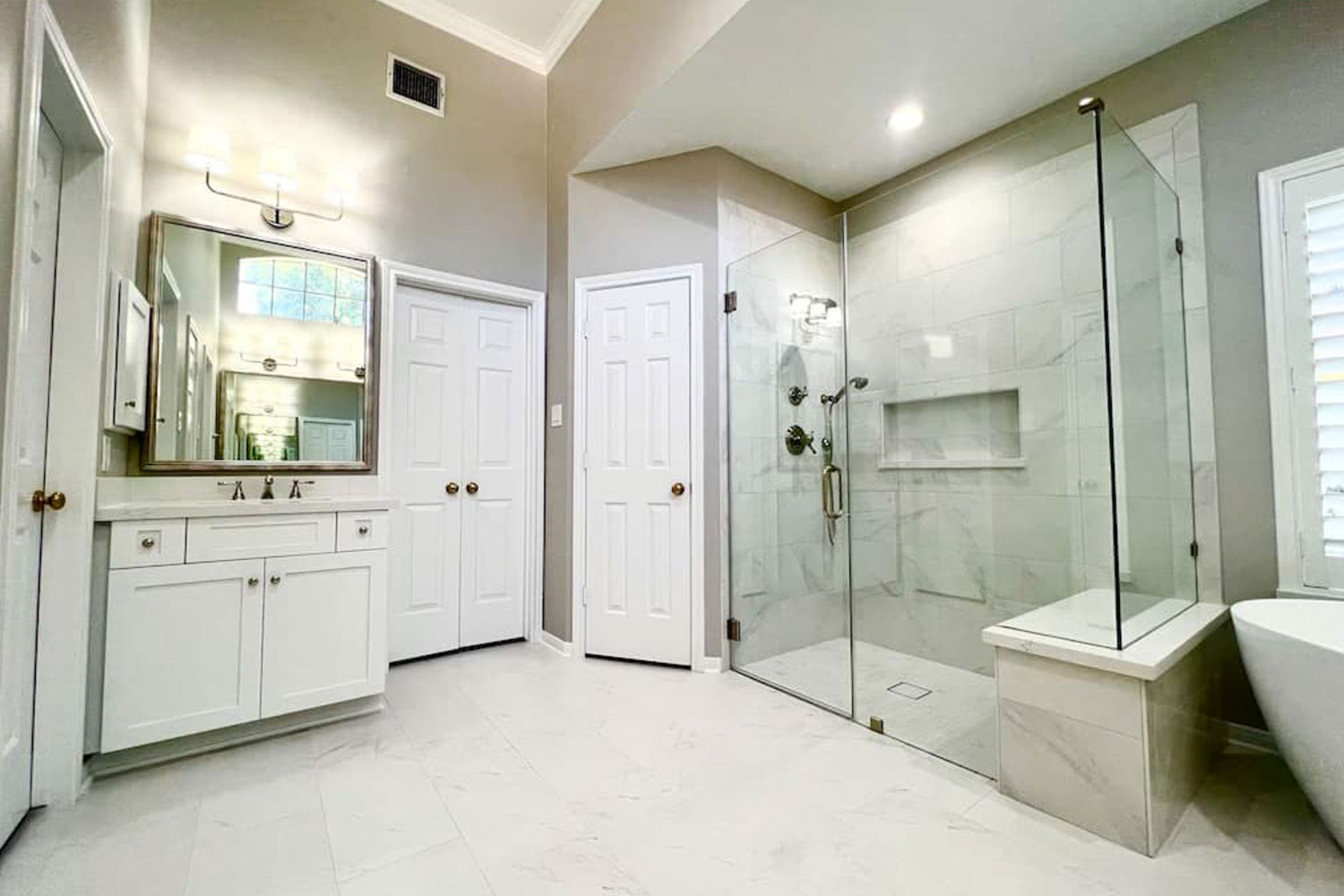
A walk-in shower tends to be the better choice in genuinely small bathrooms, where a shower footprint can make the room feel noticeably more open than a bulky tub-shower combo ever could. It's also a strong fit for primary bathrooms in homes that already have a tub installed in a secondary bathroom, and for homeowners who simply use showers far more often than baths in their actual daily life, not just in theory, or who want a more modern, spa-like feel in their main bathroom every single day.

When Does a Bathtub Make More Sense?

A bathtub matters most in a home's only full bathroom, especially in households with young children or buyers who may have them in the future. It also matters to anyone who genuinely uses a tub for soaking or relaxation rather than only showering out of habit, since a shower simply can't replace that specific function no matter how well-designed or expensive it is, and that's a real daily-use consideration worth weighing, not just a resale one.

Trade-Offs at a Glance

The table below summarizes the core trade-offs between the two options, based on the priorities that come up most often in these conversations.

Priority Which Option Wins
Resale value (only bathroom in home) Preserving at least one bathtub may broaden buyer appeal
Small bathroom footprint Favors walk-in shower
Accessibility and aging in place Favors walk-in shower with grab bars and low threshold
Daily soaking or relaxation use Favors bathtub
Homes with multiple bathrooms Either works well if a tub remains elsewhere

If your home has multiple bathrooms, converting one tub to a shower while keeping a tub elsewhere preserves more flexibility.

Does a Walk-In Shower Help With Accessibility?

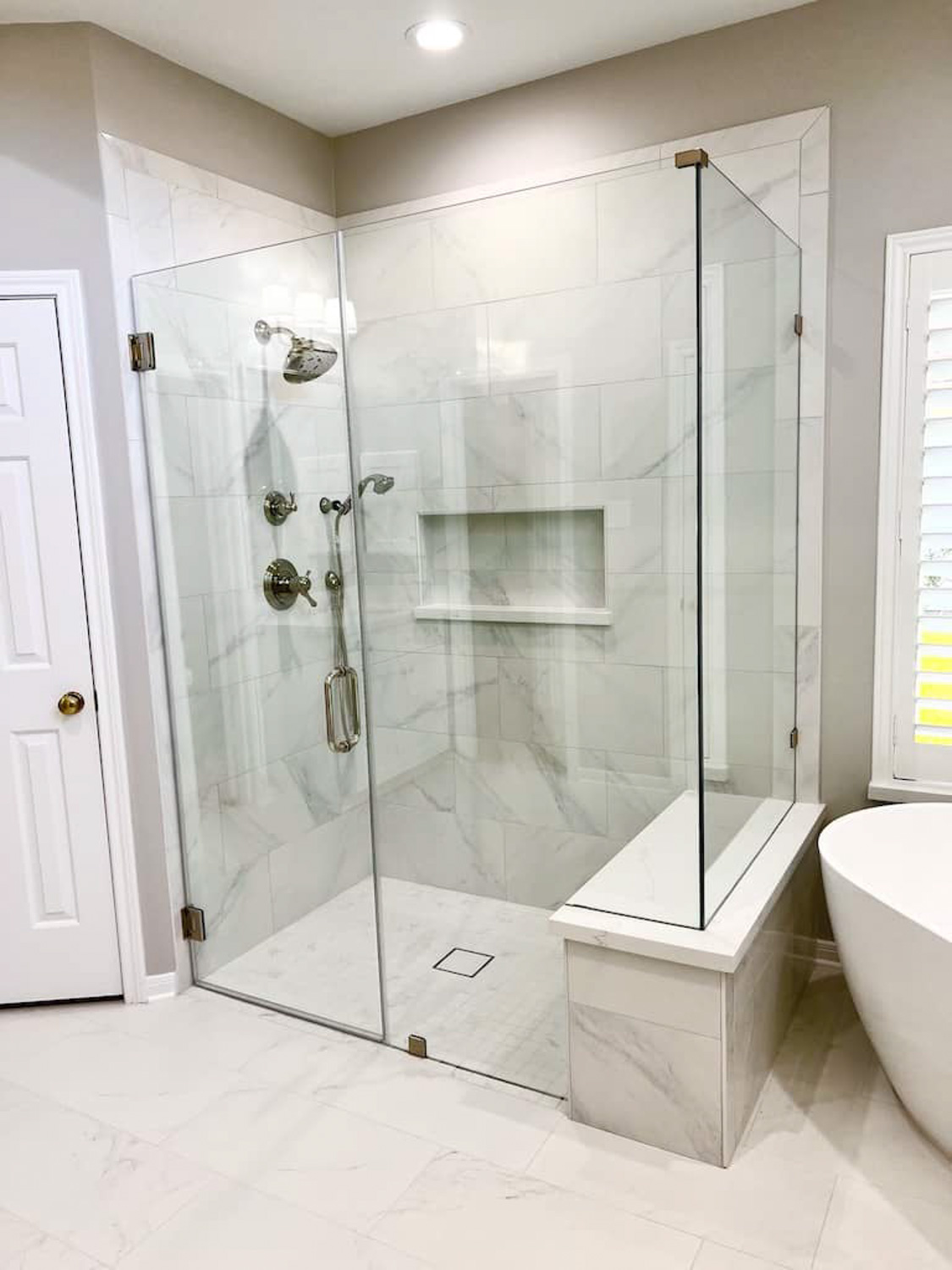
A walk-in shower can make bathing easier to enter and navigate, especially when the design uses a low or curbless threshold. Grab bars, seating, handheld shower fixtures, and a wider entry can further support comfort and mobility when they are planned into the room. Morales Brothers offers accessible bathroom remodeling options, so these features can be considered alongside the layout and finishes instead of being treated as an afterthought.

Beautiful White Bathroom Shower

Can You Have Both in the Same Bathroom?

Yes, a tub-shower combo keeps both functions in roughly the footprint of a tub alone, which is often the practical middle ground for a home's only full bathroom. It sacrifices some of the open, spa-like feel of a dedicated walk-in shower, but it avoids the resale risk that comes with removing a tub entirely from a single-bathroom home, which makes it a reasonable default when you genuinely can't decide.

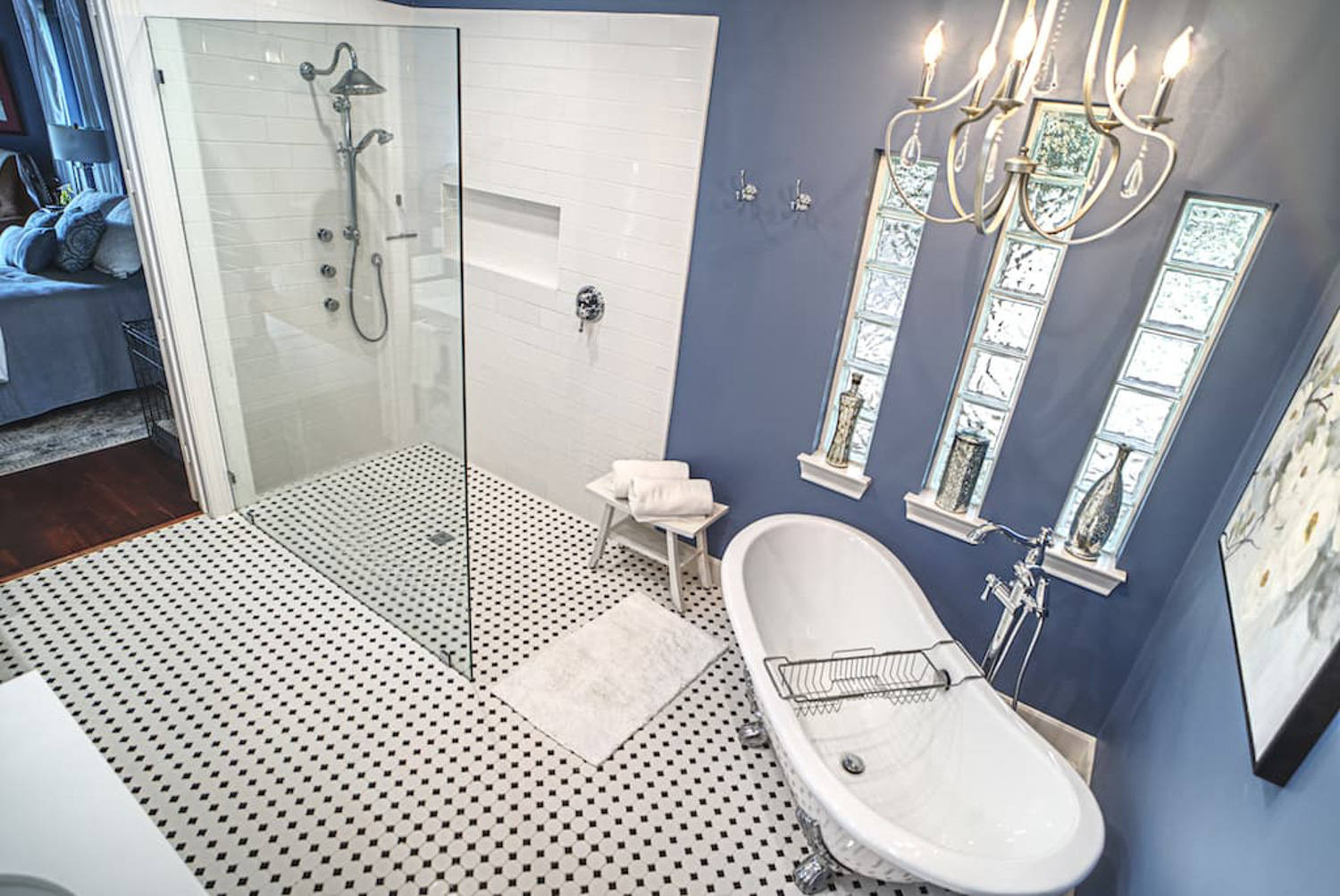
Blue and White Modern Bathroom with Shower and Tub

Does One Option Cost More Than the Other?

Generally, converting a tub to a walk-in shower costs more upfront than a like-for-like tub replacement, since it often involves reworking plumbing, the floor pan, and waterproofing the walls rather than dropping in a similarly sized fixture. A simple tub-to-tub swap is usually the cheaper of the two paths, while a fully tiled, curbless walk-in shower with a linear drain sits at the higher end of a typical bathroom remodel's budget, largely because of the custom tile work, slope calculations, and waterproofing involved.

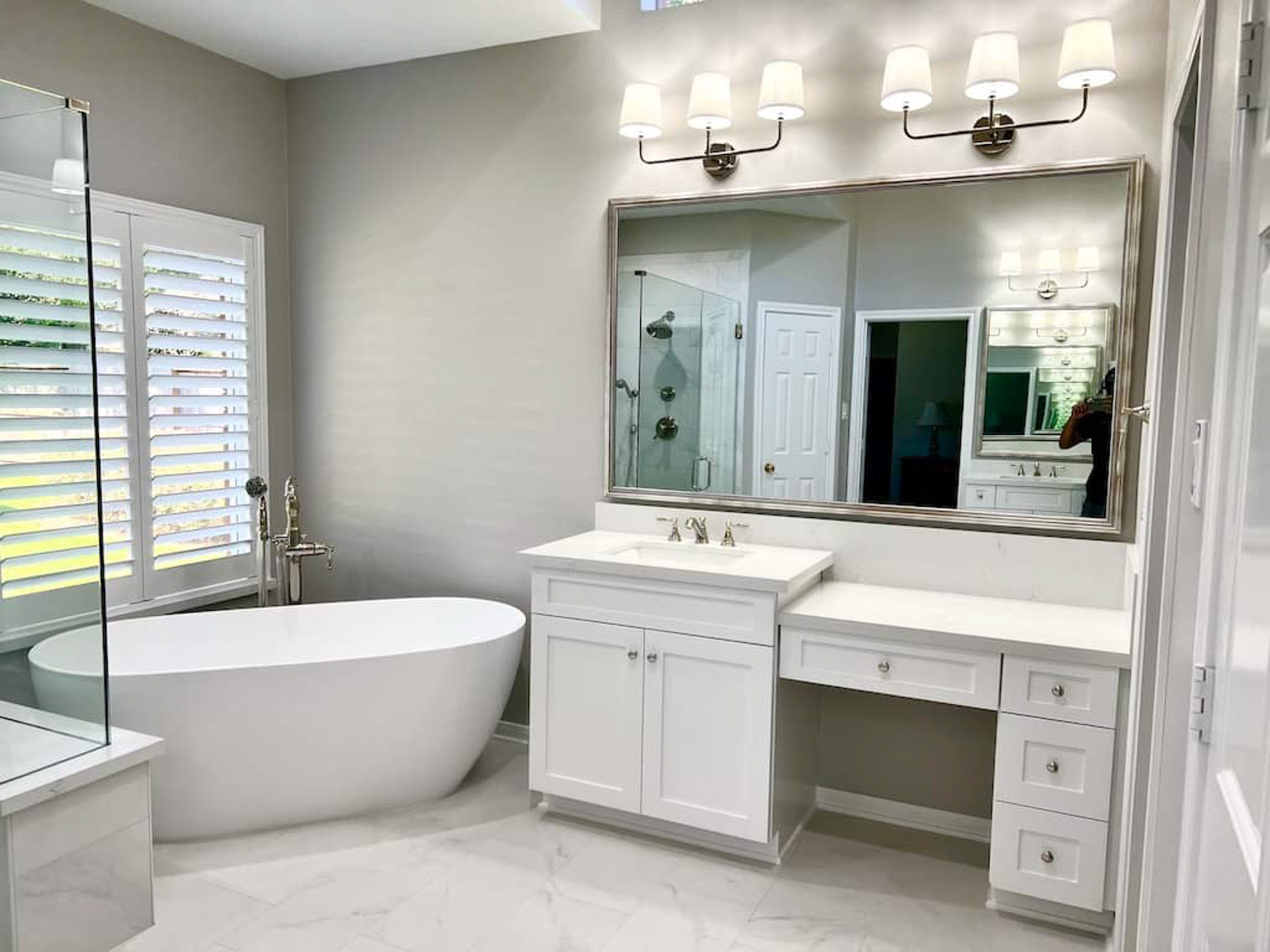
Modern White Sleek Bathroom

Is a Tub-Shower Combo Actually a Good Compromise?

For many homeowners, yes, especially in a single full bathroom. A tub-shower combo keeps the resale-friendly tub in place while still giving you shower access every day, without requiring the full footprint of two separate fixtures. The trade-off is that neither function feels quite as premium as a dedicated version of either one, but for a home with only one full bathroom, that compromise is often worth it, particularly if you expect to sell within the next several years.

The right choice should make the bathroom easier to enjoy now without losing sight of how the rest of the home functions. Explore Morales Brothers' bathroom remodeling services, browse our renovation gallery for ideas, or see how our remodeling process moves from planning to completion. You can also review our broader renovation services before you book an appointment to talk through the layout that fits your household and your plans for the home.

White Modern Bathroom