


Cabinet Hardware Trends in Houston: What Is Actually Worth Choosing?

The most useful cabinet hardware trends for Houston kitchens in 2026 are warm and aged metal finishes, intentional mixed-metal combinations, and hardware sized for the cabinet rather than chosen by finish alone. Matte black remains a common option, but current design coverage shows more movement toward brass, bronze, polished nickel, and other finishes with greater warmth and variation. The best choice should still be comfortable to grip, proportional to the door or drawer, and coordinated with the rest of the kitchen.

What Cabinet Hardware Trends Are Popular in 2026?

Current kitchen design coverage is moving toward hardware that feels warmer, more tactile, and less uniformly matched. Aged brass, unlacquered brass, bronze, champagne-gold tones, polished nickel, mixed metals, sculptural pulls, and specialty details such as backplates and latches are receiving more attention in 2026. Matte black remains present, but several designers now describe it as less dominant than it was in previous years.

Houzz’s 2026 U.S. Kitchen Trends Study also shows that traditional, practical hardware remains common: bar pulls lead hardware choices, while brushed nickel, black, and brushed gold are among the most selected finishes. That is a useful reminder that a trend does not have to be new to remain relevant.

Is Matte Black Cabinet Hardware Still in Style?

Yes, but it is better described as established than emerging. Matte black still creates strong contrast and remains a practical choice in many modern and transitional kitchens. However, current 2026 designer commentary shows more interest shifting toward aged brass, bronze, polished nickel, and finishes with visible warmth or variation.

Choose matte black because it supports the cabinetry and palette, not simply because it has been popular. On pale doors it creates a crisp outline; on dark cabinetry it can recede and become much quieter. Samples should be viewed against the actual cabinet finish before the hardware is finalized.

How Do the Main Hardware Finishes Compare?

Finish Direction Visual Effect 2026 Context Works Well With
Matte black High contrast, graphic, contemporary Still common; less dominant in 2026 trend coverage White, light wood, modern or high-contrast palettes
Warm brass / brushed gold Warm, soft, decorative Strong current interest Natural wood, creams, greens, layered neutrals
Aged / unlacquered brass Living finish with patina and variation Strong current interest Traditional, transitional, collected or furniture-like kitchens
Bronze / oil-rubbed bronze Deep, warm, understated Growing alongside warmer finishes Wood cabinetry, earthy palettes, classic styles
Polished / brushed nickel Balanced, versatile, cooler than brass Still widely used Many cabinet colors; especially useful when coordinating with appliances or plumbing
Mixed metals Layered rather than uniform Current design direction Kitchens with repeated metal cues in lighting, faucets, appliances, or accents

Why Are Warm and Aged Metals Showing Up More Often?

Warm metals add contrast without the sharpness of black and can make painted or wood cabinetry feel more layered. Current 2026 trend coverage highlights aged brass, unlacquered brass, champagne-gold tones, and bronze because these finishes can introduce depth, softness, and—in the case of living finishes—natural patina over time.

Homeowners should distinguish between a finish designed to change and one intended to remain consistent. Unlacquered brass is valued specifically because it develops patina; coated brass-look finishes are designed to keep a more stable appearance. The maintenance expectation should be clear before ordering.

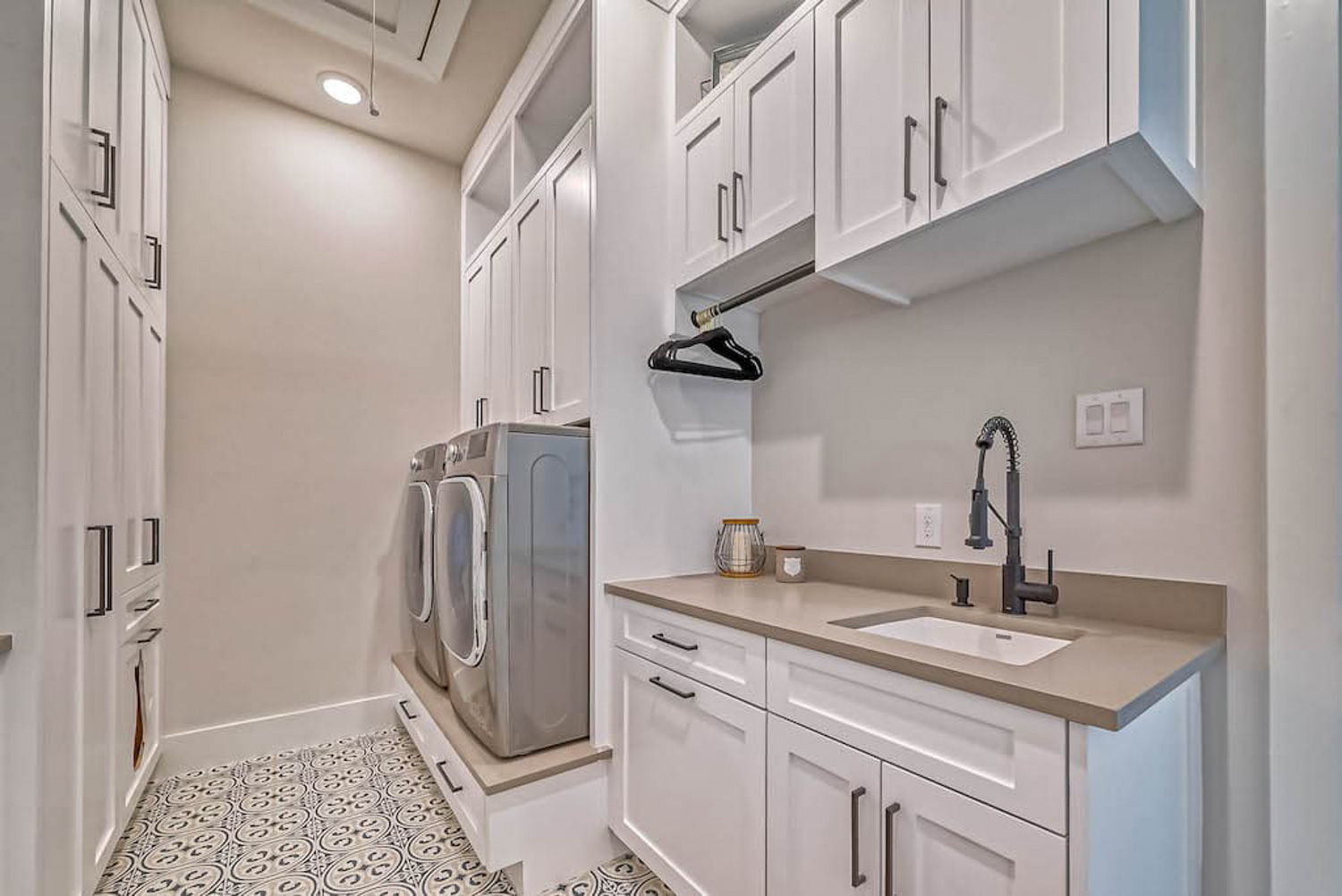
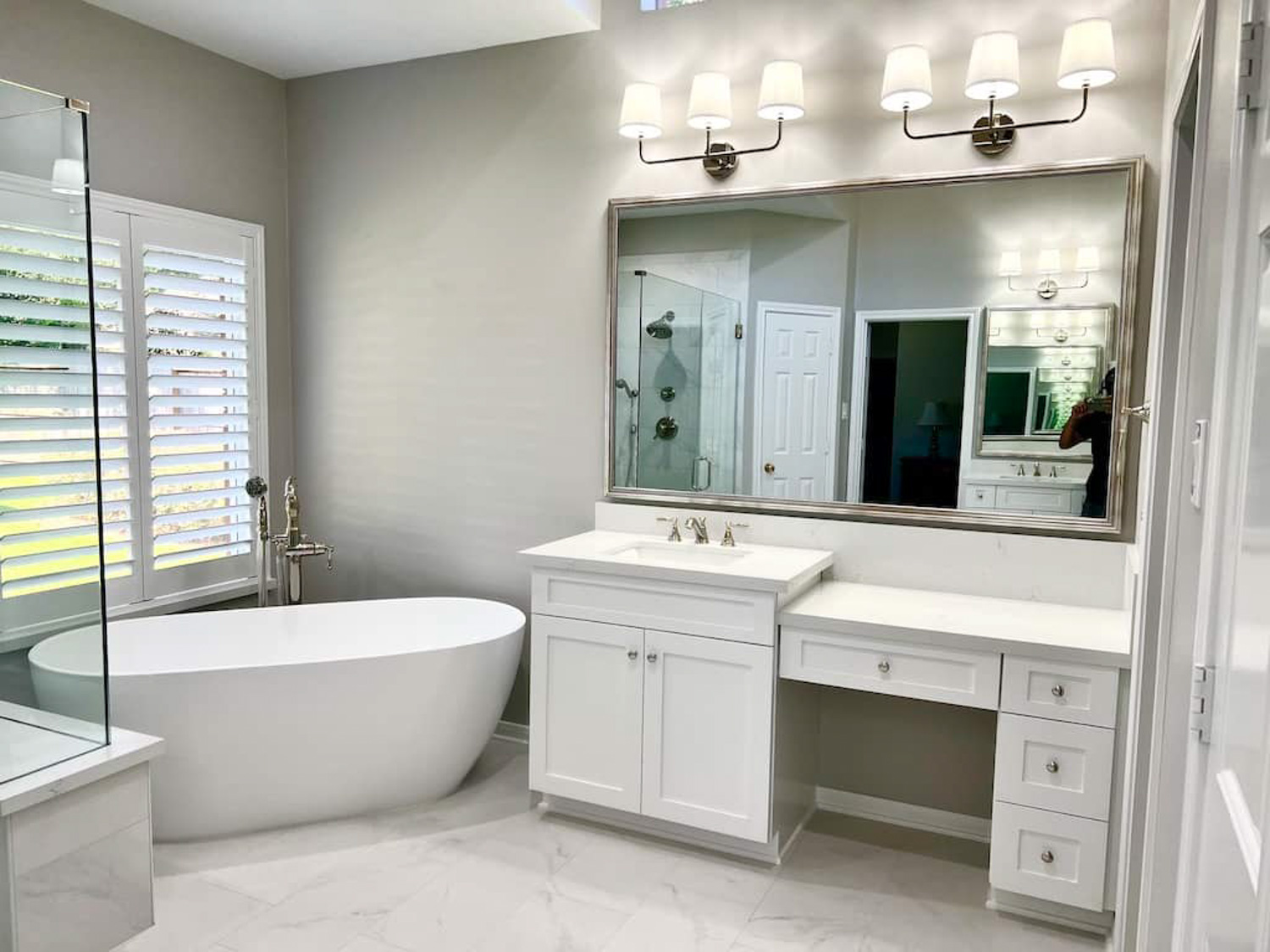
Beautiful White Custom Cabinet

Can You Mix Metals in a Kitchen?

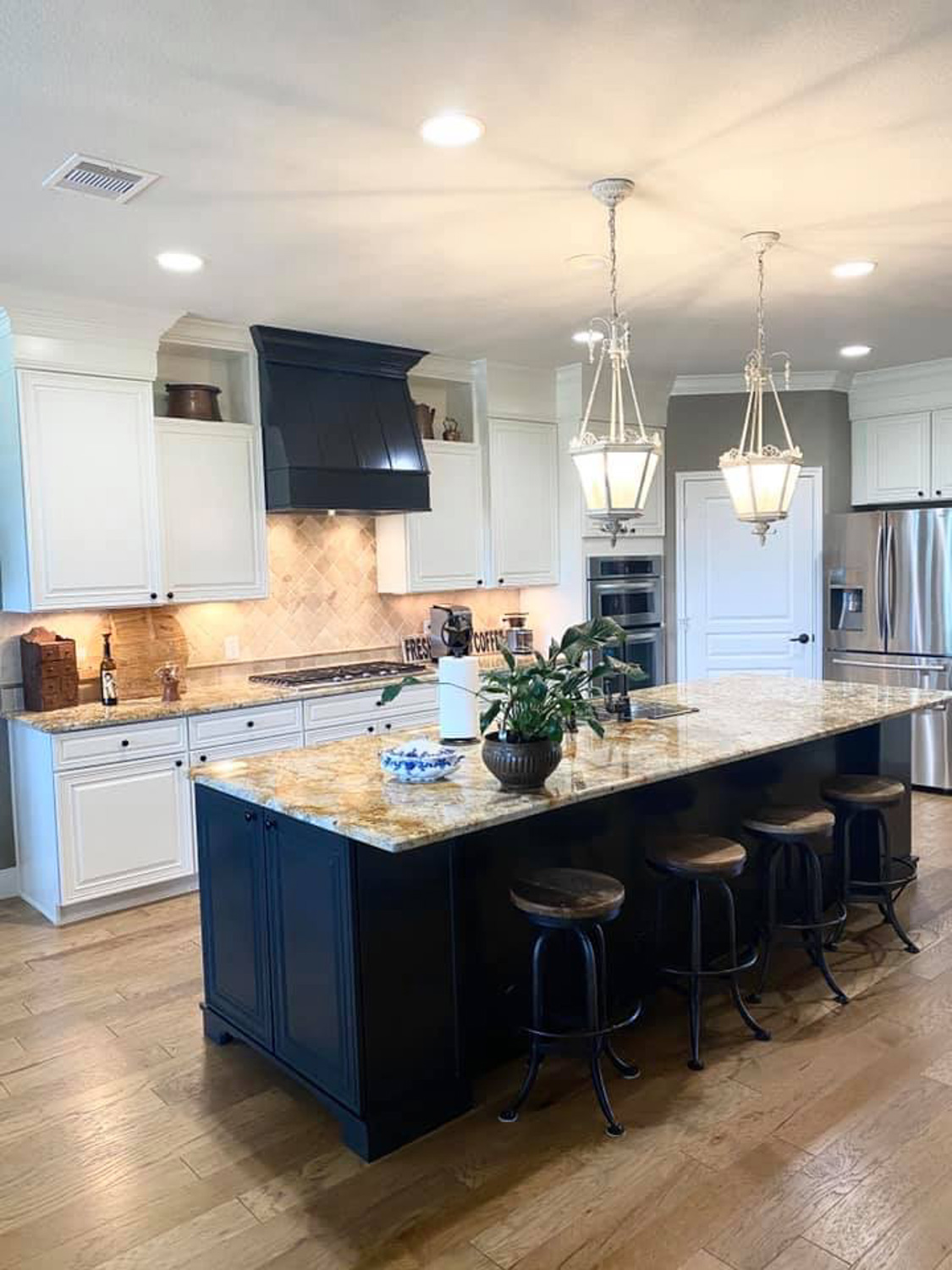
Yes. Mixed metals can look intentional when each finish has a defined role and repeats somewhere else in the room. For example, cabinet pulls might coordinate with a faucet while lighting introduces a second metal, or an island may use a different finish from perimeter cabinetry as part of a deliberate material hierarchy.

Avoid mixing finishes only for novelty. A useful rule is to identify a dominant metal, then use a secondary finish as an accent. Repetition in lighting, plumbing fixtures, appliances, stools, or decorative details helps the combination read as a system rather than a collection of unrelated pieces.

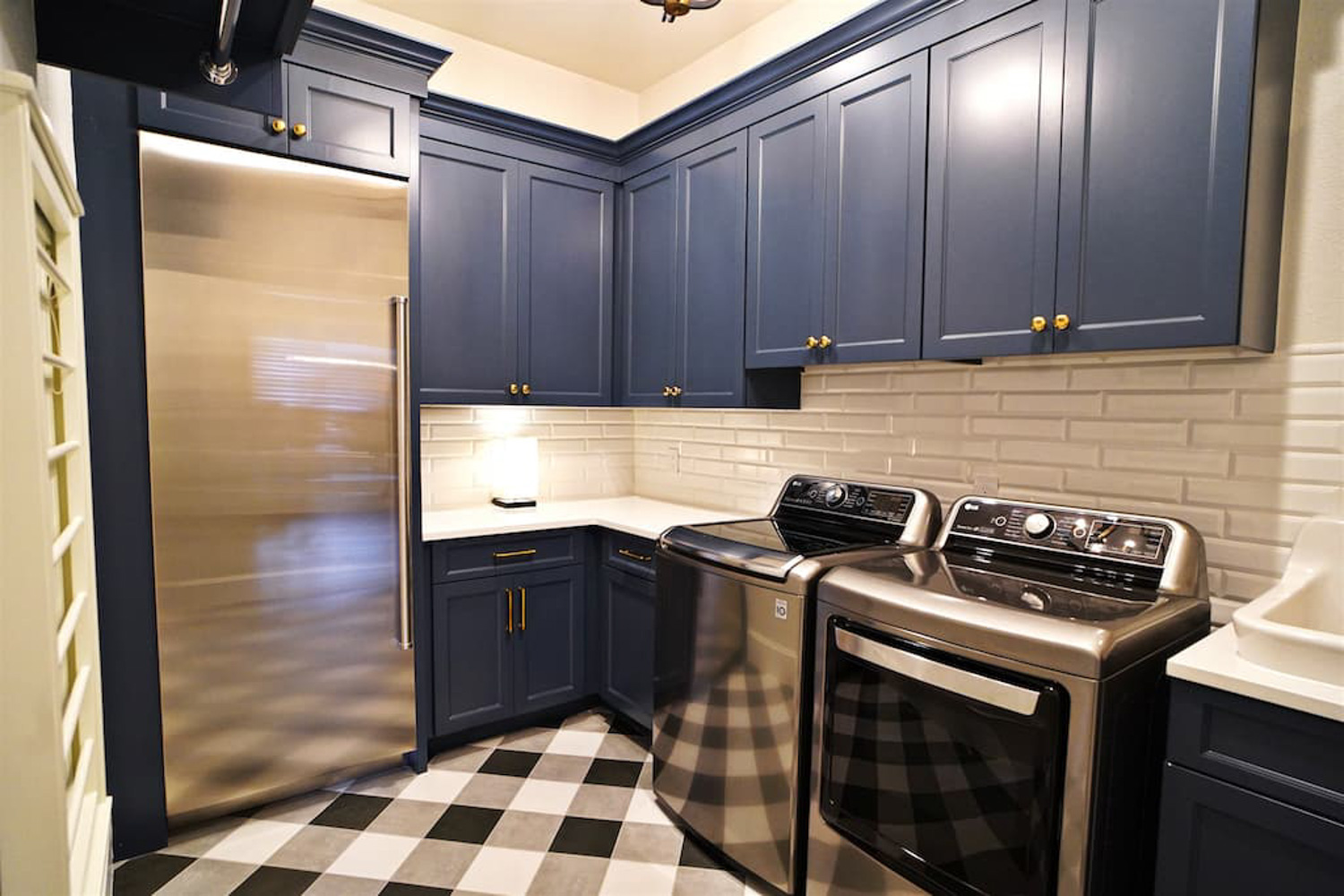
Beautiful Traditional Blue Cabinets

How Should Cabinet Hardware Match the Door Style?

Hardware should support the cabinet style without competing with it. Clean slab doors often pair naturally with streamlined bar, edge, or integrated pulls. Shaker cabinetry can accommodate simple knobs, cup pulls, bar pulls, or more traditional profiles depending on whether the overall kitchen leans modern, transitional, or classic.

The National Kitchen & Bath Association advises that pulls should be easy to reach, grip, and use, appropriate for the size and weight of the door or drawer, and visually compatible with the cabinet style. That functional test is more useful than relying on a trend label alone.

Traditional Wooden Custom Cabinet

How Do You Choose the Right Pull Size?

Choose pull size by looking at the actual door or drawer front, not a catalog image. Wider drawers and tall pantry doors usually need hardware with enough visual scale to avoid looking undersized, while small doors can be overwhelmed by overly long pulls. Proportion should be judged across the full cabinet run, not one front at a time.

Before drilling, test hardware samples or templates on the real cabinetry. Check the visual balance from several feet away and make sure hands can comfortably reach the pull without colliding with adjacent fronts, appliance handles, or trim.

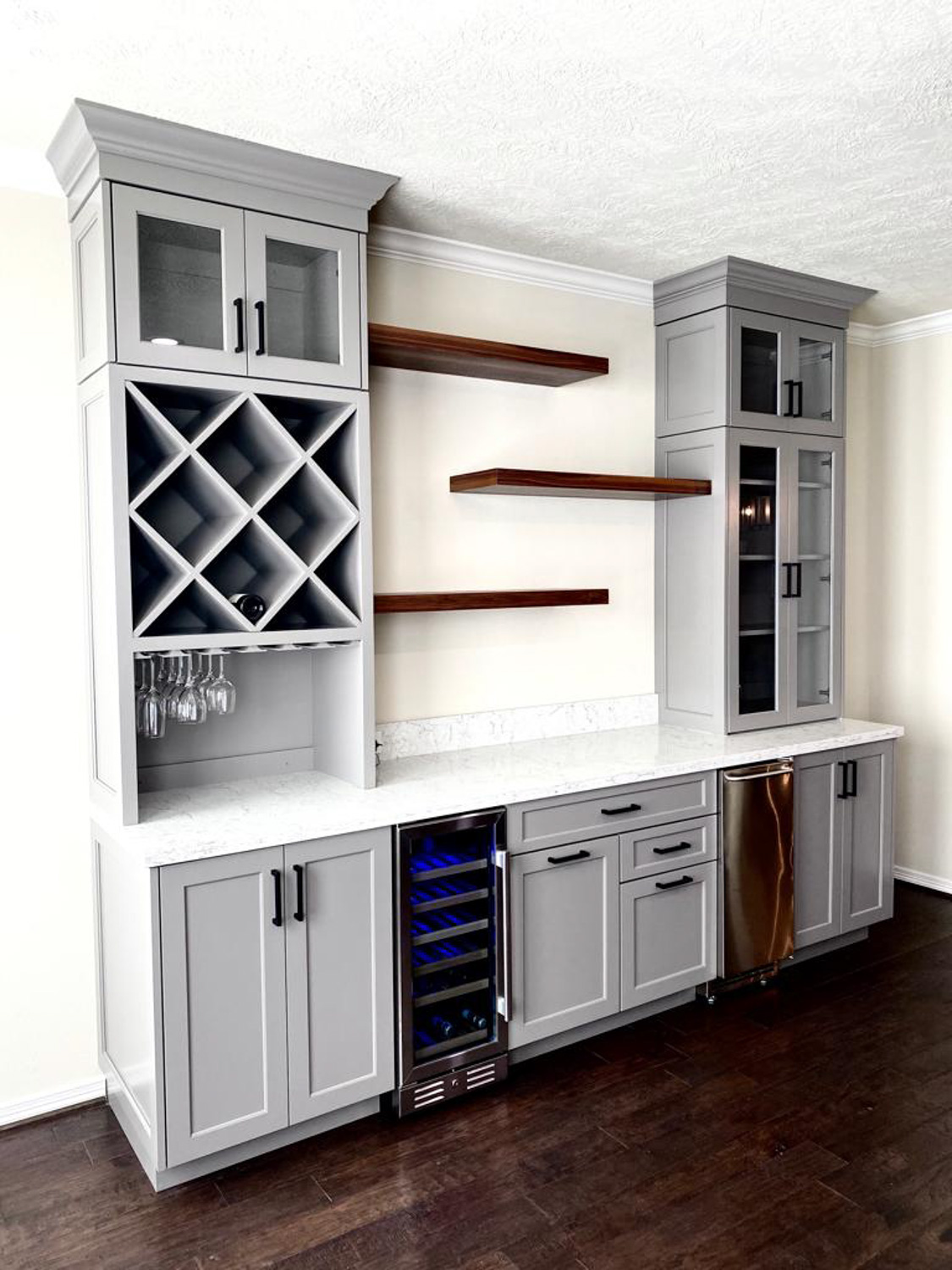
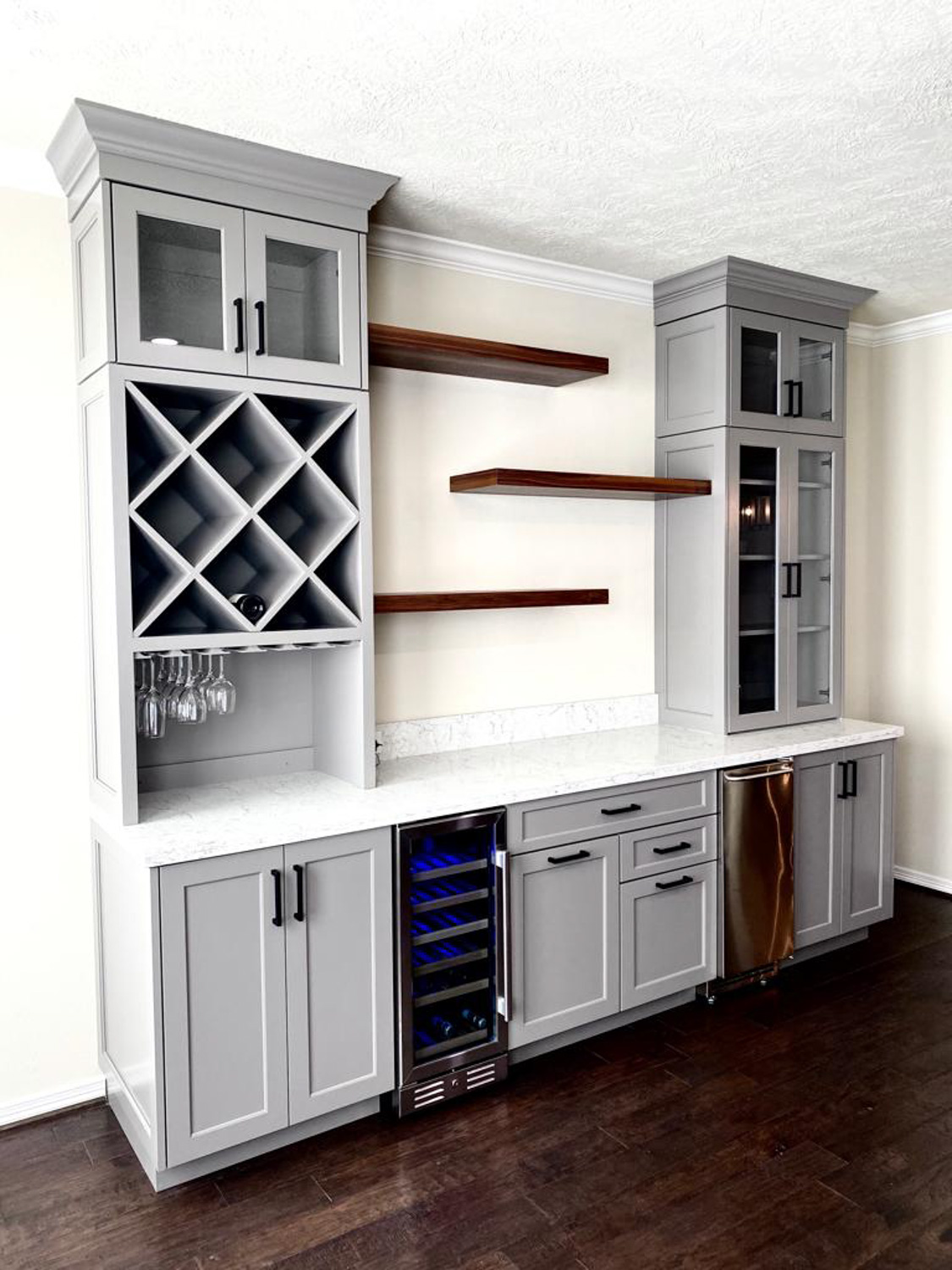
Custom White Gray Cabinet
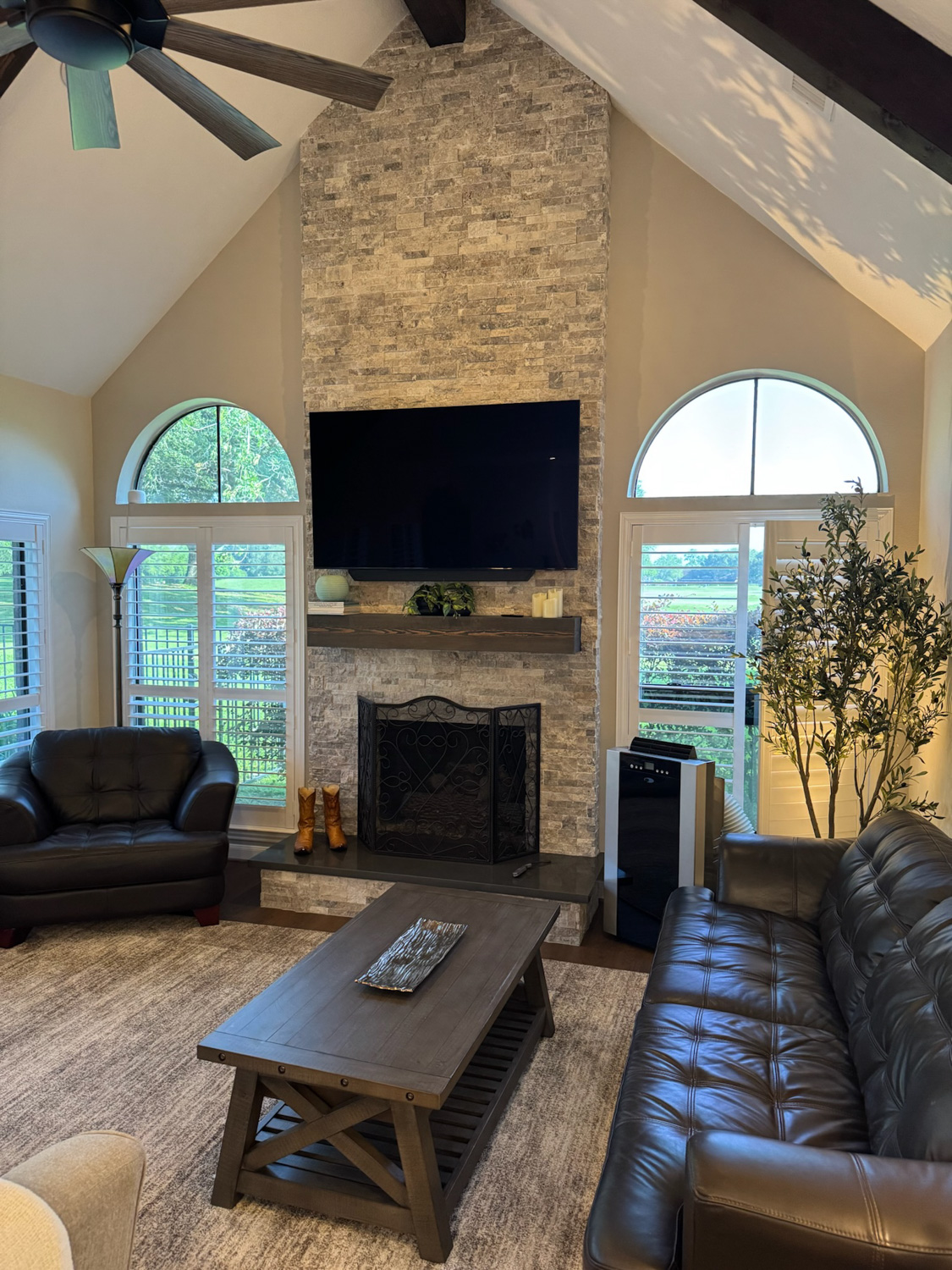
Custom Dark Living Room

Where Should Cabinet Knobs and Pulls Be Placed?

Placement should be consistent across similar cabinet types and comfortable for the person using the kitchen. Doors typically place hardware near the opening edge, while drawers center pulls or use a placement strategy that aligns visually across the run. Exact placement can change with rail-and-stile proportions, pull length, drawer width, and the overall cabinet style.

A template or mock-up is valuable before drilling because small placement differences become highly visible when repeated across an entire kitchen. Consistency matters more than following one universal measurement for every cabinet design.

What Cabinet Hardware Is Easiest to Use Every Day?

Hardware with a comfortable gripping surface and enough clearance for the fingers is generally easier to use than very small or sharply detailed pieces. Longer pulls can be useful on heavier drawers, while rounded edges can be more comfortable in tight circulation areas. People with reduced hand strength or dexterity may also prefer hardware that can be grasped with more than the fingertips.

Cleaning matters too. Highly textured or ornate hardware can collect grease and dust in crevices, while simpler shapes are usually faster to wipe down. The best hardware choice balances appearance, grip, clearance, and maintenance.

Why Should You Test Hardware in the Actual Kitchen Lighting?

Metal finishes can look noticeably different under daylight, warm LEDs, cool LEDs, and under-cabinet lighting. Brass may read muted in one room and bright in another; black may create a crisp contrast on pale cabinetry but nearly disappear on charcoal or stained wood.

Bring a few samples into the room and view them at different times of day. Compare them with the cabinet finish, countertop, backsplash, faucet, appliances, and light fixtures before committing to dozens of matching pieces.

Key Takeaways

 Warm brass, bronze, champagne, and other aged or nuanced finishes are prominent in current 2026 design coverage.

  • Matte black is still widely used, but it is no longer the only default for a modern kitchen.
  • Mixed metals work best when the finishes repeat elsewhere in the room instead of appearing randomly.
  • Pull size and placement should respond to the width, weight, and style of the cabinet front.
  • Usability matters: hardware should be easy to reach, grip, clean, and operate every day.
  • Always view finish samples in the actual kitchen lighting before ordering an entire hardware set.

Cabinet Hardware FAQs

Are knobs or pulls better for kitchen cabinets?

Neither is universally better. Knobs are compact and can suit doors or more traditional styles, while pulls provide a larger gripping surface and are often preferred on drawers or larger fronts. Many kitchens use both. Choose based on cabinet style, front size, grip comfort, and visual consistency.

Should all cabinet hardware in a kitchen match?

No. Matching every piece can create a clean, uniform look, but mixed finishes or mixed hardware types can also work when the choices are intentional. Repeating each finish elsewhere in the kitchen and assigning clear roles to the metals helps the result feel coordinated rather than accidental.

Is unlacquered brass high maintenance?

It requires a different expectation rather than simply “more maintenance.” Unlacquered brass is a living finish that naturally darkens and develops patina with air, moisture, and touch. Some homeowners value that evolution; others prefer coated brass-look finishes that keep a more consistent appearance.

Does cabinet hardware need to match the faucet?

No. The faucet and cabinet hardware can match, but they can also be different finishes if the combination repeats intentionally elsewhere in the room. The important point is coordination: two or three metals can coexist when their roles are clear and the palette does not feel random.

What hardware works best on Shaker cabinets?

Shaker cabinets are flexible. Simple knobs, bar pulls, cup pulls, and more traditional profiles can all work depending on the kitchen style. A modern Shaker kitchen may favor clean bar pulls, while a traditional or transitional room may use knobs or more detailed hardware.

What hardware works best on slab cabinets?

Slab doors generally suit streamlined hardware such as bar pulls, edge pulls, finger pulls, or integrated profiles because those options reinforce the clean geometry of the door. The final choice should still provide enough grip and clearance for comfortable daily use.

Finish Strong Where Every Hand Lands

Cabinet hardware may be physically small, but it affects three things at once: how the cabinetry looks, how it feels to use, and how easily the kitchen can be maintained. Treat finish, scale, placement, and grip as one decision instead of choosing a color first and solving function later.

For more design context, explore Morales Brothers’ kitchen remodeling designs for 2026, browse the custom cabinetry gallery, or contact Morales Brothers to plan your own kitchen.

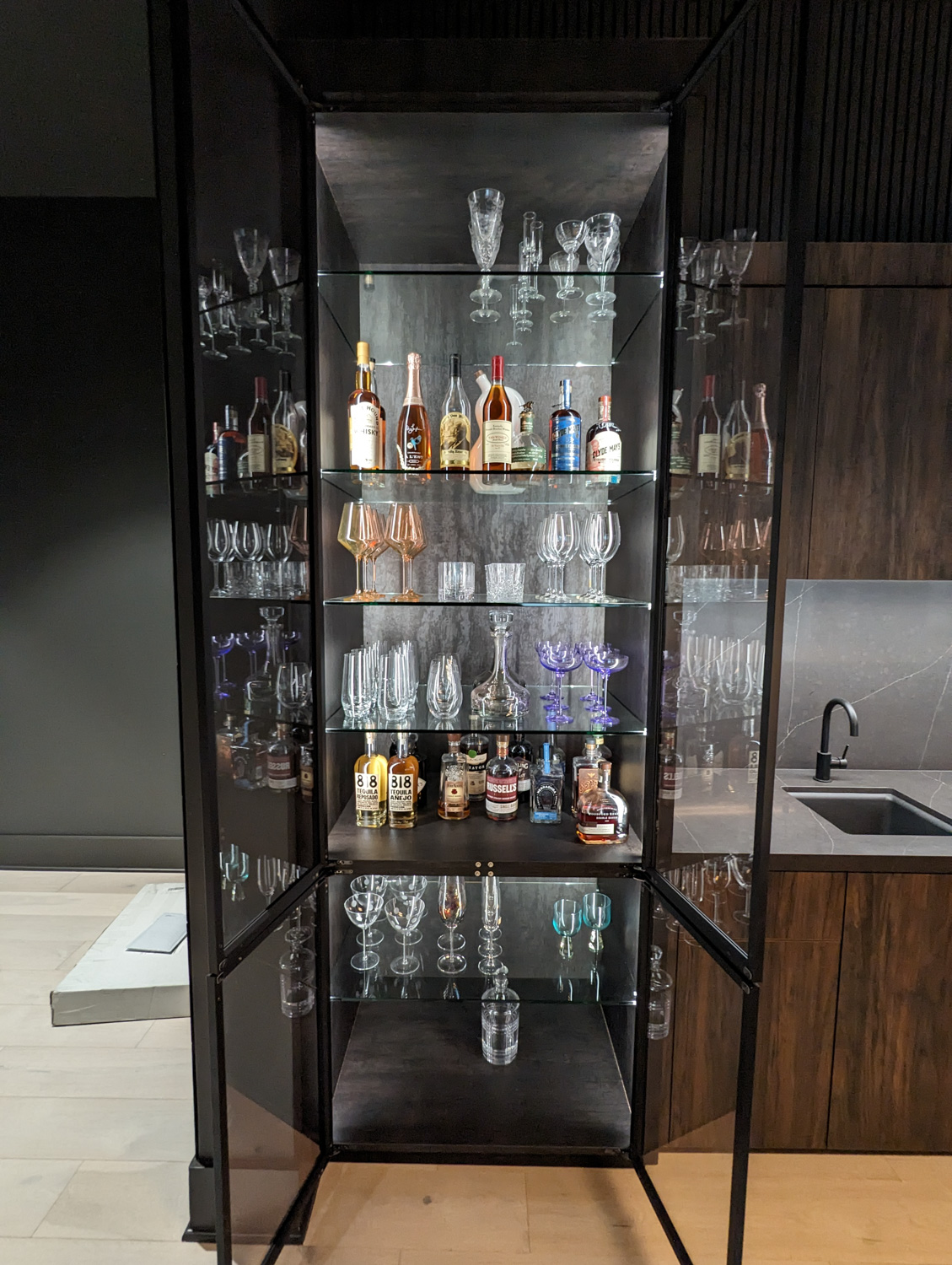
Custom Metal Steel Cabinet
Custom Dark Living Room

Sources

Houzz. 2026 U.S. Kitchen Trends Study — cabinet hardware types and finish selections, 2026.

House Beautiful. “Designers Say These Kitchen Hardware Trends Are About to Be Everywhere,” July 23, 2026.

National Kitchen & Bath Association (NKBA). “Kitchen Cabinet Hardware: Hinges, Shelf Supports, and Pulls.”

Architectural Digest. “Kitchen Cabinet Hardware Ideas Designers Want You to Try.”